

Fergus House, Quin Road Business Park, Quin Rd, Ennis, Co Clare
 Access Control Systems
None Available
CCTV Systems
Private Security Authority Licence 00484
Cameras provide a tremendous visual deterrent ensuring that threats against individuals and property are all substantially reduced. Monitor can design and install a system that can be used internally or externally, from single to multi-camera systems and from single to multi site solutions.
Monitor has expertise in designing and installing CCTV security systems from basic video surveillance systems for small shops and businesses to large complex projects such as urban traffic management systems, town centre surveillance systems and high profile buildings.
Utilising the latest in CCTV security technology, Video Analytics, ANPR (Automatic Number Plate Recognition), High Definition cameras and IP (Internet Protocol) based CCTV equipment Monitor is delivering solutions that are at the leading edge of CCTV technology, offering video surveillance solutions that are tailor made to meet our customers exacting requirements, ensuring that the system provides effective safety and security and delivers a clear return on investment.
Talk to us about choosing the most suitable system for your requirements:
Cameras provide a tremendous visual deterrent ensuring that threats against individuals and property are all substantially reduced. Monitor can design and install a system that can be used internally or externally, from single to multi-camera systems and from single to multi site solutions.
Monitor has expertise in designing and installing CCTV security systems from basic video surveillance systems for small shops and businesses to large complex projects such as urban traffic management systems, town centre surveillance systems and high profile buildings.
Utilising the latest in CCTV security technology, Video Analytics, ANPR (Automatic Number Plate Recognition), High Definition cameras and IP (Internet Protocol) based CCTV equipment Monitor is delivering solutions that are at the leading edge of CCTV technology, offering video surveillance solutions that are tailor made to meet our customers exacting requirements, ensuring that the system provides effective safety and security and delivers a clear return on investment.
All our CCTV systems can be monitored 24 hours a day, giving you peace of mind and up to the minute information.
Talk to us about choosing the most suitable system for your requirements:
- Digital CCTV System (basic surveillance system)
- High Definition & IP CCTV Systems (more sophisticated cameras on IT networks)
- Intelligent Moving Cameras (IMC) - (surveillance systems which automatically trigger alerts based on motion detection by programmable cameras in critical areas such as public areas)
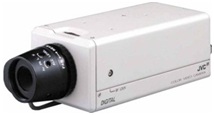 Conventional CCTV |
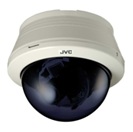 Dome Camera |
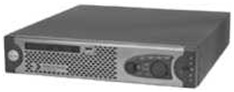 DVR (Digital Video Recorder) |
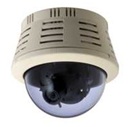 IP Dome |
 |
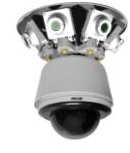 IP Monitor Dome |
Fergus House, Quin Road Business Park,
Quin Rd, Ennis, Co Clare
Telephone: +353 (0)65 6829111 - Fax: +353 (0)65 6867712 - Company Registration Number: 222806
PSA Licence Number: 00484
Quin Rd, Ennis, Co Clare
Telephone: +353 (0)65 6829111 - Fax: +353 (0)65 6867712 - Company Registration Number: 222806
PSA Licence Number: 00484

